

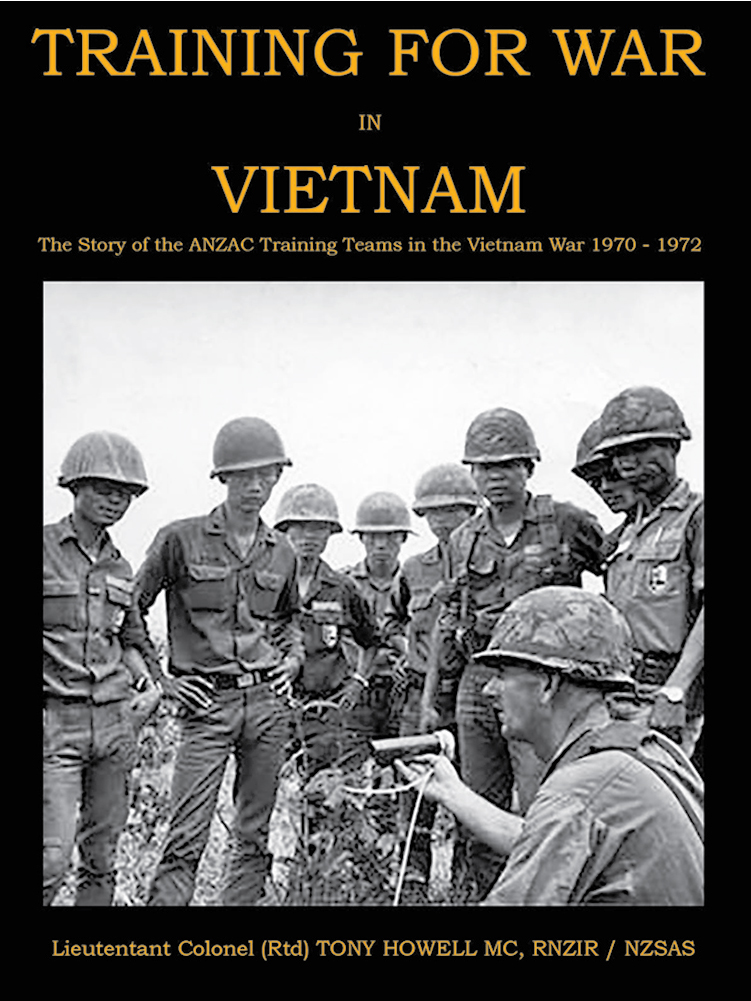
Description
In 1945, the world had two atomic bombs, and they were dropped on Hiroshima and Nagasaki by the United States. By 1955, the United States, Great Britain and Russia owned 2,636 nuclear weapons between them. By 1965, France and China had joined that exclusive club and the number of nuclear weapons had increased to 37,741. The world survived the October 1962 Cuban missile crisis following a tense standoff between the US and the USSR. To try and avoid another nuclear confrontation between the East and the West, a war through proxies evolved. This was called the Cold War.
Following World War II, former colonies in Asia and South-East Asia were pressing for their independence, one of those colonies was Vietnam. The Vietnam War would be one of those proxy Cold War’s where the USSR and China supported communist North Vietnam while the United States supported South Vietnam. The Japanese occupied French Indochina in 1940. On 19 May 1941 while in China, Ho Chí Minh formed a communist-led national independence coalition called the Viet Minh. In late 1943, the Viet Minh began infiltrating into Vietnam to launch guerrilla operations against the Japanese occupiers. When the Japanese surrendered the Viet Minh units seized control of Hanoi City and Ho Chi Minh declared Vietnam to be the Democratic Republic of Vietnam. France tried to reclaim its former colony and the First Indochina War began in 1946. The US became involved in Vietnam in 1950 when it began providing funds and equipment to support the French war against the Viet Minh. That involvement steadily increased after the French lost their war in 1954, and escalated in 1965. By April 1969, there were 543,000 US military personnel deployed in South Vietnam.
US President Nixon won a landslide Presidential Election in 1968 on the promise he would end the war. He wanted ‘Peace with Honour’ and was prepared to use extreme violence to achieve that. It was time to end the war which was broadcast every night to war-weary families in front of their TVs. It is doubtful the TV audience cared about honour; they were just tired of the war and broken political promises. By 1969, President Nixon’s policy of ‘Vietnamisation’ was intended to train the South Vietnamese armed forces so they were capable of defending South Vietnam and justify a phased US withdrawal. By 1972, US troops were reduced to 69,000 and in 1973, the last US troops left Vietnam.
This is the story of the ANZAC Training Teams in the Vietnam War 1970 to 1972. The narrative will lead you through the essential political and military decisions which resulted in providing Vietnamese and Cambodian unit training support and New Zealand’s involvement in those ambitious objectives. The narrative allows you to glimpse these men in action teaching Vietnamese and Cambodians, while reliant on their allies for their security and support as a vicious war rages around them. The major training bases at Chi Lang, Long Hai and Dong Ba Thin and the Team’s roles there are explained as is their relationship with the US, Australia, Vietnamese and Cambodians. Some of these glimpses are highly entertaining while others are more serious. Some might see the Training Teams as a political success from an independent New Zealand foreign policy view point, certainly New Zealand’s ANZUS Partners were well supported; some might consider it a hopeless military task. Regardless of what you might think, our men played their part to make the Vietnamisation and Cambodian training programmes a success. They did our nation proud.
Reviews
There are no reviews yet.