

Teaching Resource
Understanding the Second Boer War (1899–1902)
New Zealand’s Role in The South African Tragedy 1899–1902 by Tony Howell

Publisher: John Douglas Publishing
Click here to download this as a printable PDF.
Curriculum Links:
Aotearoa New Zealand Histories: Years 7–10
Social Sciences: Culture and Identity, Government and Organisation
Key Concepts: Conflict, Colonialism, National Identity, Memory
1. Historical Context
Overview:
The Second Boer War was a pivotal conflict between the British Empire and the Boer Republics (Transvaal and Orange Free State) in South Africa.
New Zealand’s involvement marked its first significant military engagement overseas, reflecting its colonial ties to Britain and shaping its emerging national identity.
Key Points:
Causes of the War:
Tensions over British imperialism, control of gold-rich territories, and Boer independence.
New Zealand’s Role:
Approximately 6,500 New Zealanders served in 10 contingents, with 230 fatalities.
Military Engagements:
Notable battles include the engagement on 23 February 1902, the most costly for New Zealand, resulting in 90 deaths and 24 wounded.
Aftermath:
The war influenced New Zealand’s military policies and national consciousness.
Wikipedia | Twinkl
2. Learning Objectives
Students will:
- Understand the causes and consequences of the Second Boer War.
- Analyze New Zealand’s motivations for participation and its impact on national identity.
- Evaluate primary and secondary sources related to the war.
- Reflect on the ethical implications of colonial conflicts.
3. Activities
Activity 1: Timeline Construction
Objective:
Chronologically map key events of the Second Boer War.
Instructions:
Students will create a timeline highlighting major battles, political decisions, and New Zealand’s involvement.
Activity 2: Role-Play Debate
Objective:
Explore diverse perspectives on New Zealand’s participation.
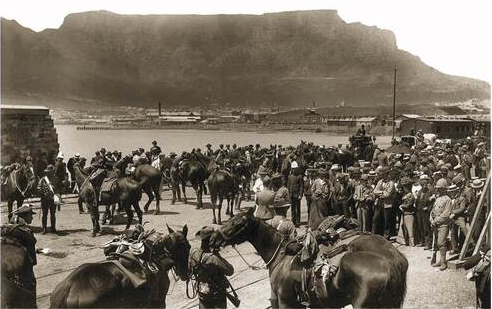
Instructions:
Students will assume roles (e.g., government officials, soldiers, Māori leaders, pacifists) to debate the merits and drawbacks of involvement.
Activity 3: Primary Source Analysis
Objective:
Develop critical thinking through source evaluation.
Instructions:
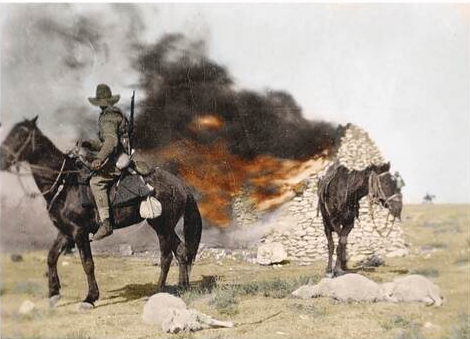
Analyze letters, photographs, and newspaper articles from the era to understand public sentiment and soldier experiences.
Wikipedia | Twinkl+1
Activity 4: Memorial Study
Objective:
Examine how the war is commemorated.
Instructions:
Investigate the South African War Artillery Memorial in Auckland, discussing its symbolism and significance. Wikipedia
Formative Assessments:
- Participation in debates and discussions.
- Completion of timeline and source analysis worksheets.
Summative Assessment:
Essay Prompt:
“Assess the impact of New Zealand’s involvement in the Second Boer War on its national identity and colonial relationships.”
5. Resources
Primary Text:
The Tragedy of the South African War by Tony Howell.
Supplementary Materials:
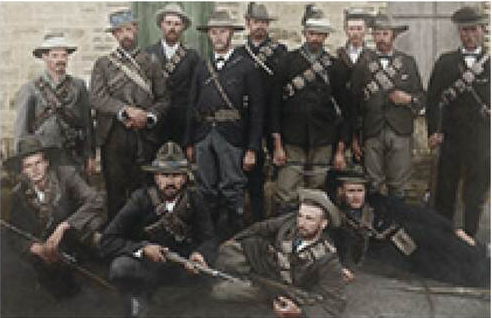
- Photographs and letters from New Zealand soldiers.
- Newspaper archives from 1899–1902.
- Maps of South African battle sites.
- sharemyle…
- Wikipedia | Twinkl | sso.wa.gov
6. Extension Opportunities
Research Project:
Investigate the role of Māori in the war, including the British government’s refusal to accept Māori contingents and the implications thereof.
Comparative Study:
Compare New Zealand’s participation in the Second Boer War with its involvement in subsequent conflicts, analyzing shifts in military policy and public opinion. Wikipedia
Note:
This lesson plan is designed to be adaptable, allowing educators to modify activities based on class needs and available resources.